
You’ve been crushing your routine at home. Your nutrition is dialed in, your workouts are consistent, and you’re making progress. Then, a trip appears on your calendar. Suddenly, the familiar pillars of your fitness—your kitchen, your gym, your schedule—disappear. The temptation is to see travel as a vacation from your goals, leading to a week of indulgence followed by guilt and a tough re-entry.
But it doesn’t have to be this way. Travel, whether for work or pleasure, isn’t an obstacle to your health; it’s a test of your adaptable fitness skills. With the right mindset and a handful of simple strategies, you can maintain your momentum, feel energized for your trip, and return home without feeling like you’ve taken three steps back. Let’s build a travel-proof fitness plan.
The Mindset: Aim for Maintenance, Not PRs
The most important step is to adjust your expectations. Travel is rarely the time to aim for personal records, pack on muscle, or aggressively cut fat. The stress of time zones, disrupted sleep, and unfamiliar environments means your recovery capacity is lower. Your primary goal should be maintenance: preserving the muscle and fitness you’ve built, managing your energy, and enjoying your trip without regret.
This takes the pressure off. You’re not failing if you don’t find a perfect gym; you’re winning if you move your body intentionally and make better-than-average food choices. This mindset of “good enough” prevents the all-or-nothing thinking that leads to a complete derailment.
Pillar 1: Nutrition on the Go – Your Roadmap to Smarter Eating
When you don’t control the kitchen, planning becomes your most powerful tool. Your strategy should focus on damage control and making the best choices available.
Before You Go: The Packing Strategy
Treat your carry-on or suitcase like a survival kit. Pack non-perishable, nutrient-dense snacks that will save you from airport food courts and gas station junk. Great options include protein bars (check for lower sugar), individual packets of nut butter, beef jerky, packets of oatmeal, and nuts or trail mix. A shaker bottle and a few servings of protein powder are a lifesaver for hitting your protein target when meals are unpredictable.
Navigating Restaurants and Airport Food
When eating out, your mantra is prioritize protein and plants. Look for menu items described as grilled, baked, steamed, or roasted. Start every restaurant meal with a glass of water and, if possible, a side salad or vegetable-based soup. This helps with hydration and fills you up with fiber before the main course. Don’t be shy about customizing your order. Ask for substitutions (“Can I have double vegetables instead of fries?”), request dressings and sauces on the side, and choose lean protein sources like chicken, fish, or legumes.
Hydration is Your Secret Weapon
Travel dehydrates you. Flying, increased caffeine consumption, and walking all day can leave you parched, which is often mistaken for hunger. Carry a reusable water bottle and fill it constantly. Aim to drink enough that your urine is light yellow. This simple habit curbs unnecessary snacking and combats travel fatigue.
Pillar 2: Training on the Road – The Art of the Minimalist Workout
Forget about finding the perfect gym. Your body and a small space are all you need for a potent maintenance workout. The focus is on compound, bodyweight movements that stimulate the most muscle in the least time.
The Equipment-Free Hotel Room Workout (20-30 Minutes)
This full-body circuit requires zero equipment. Warm up with 3 minutes of dynamic movement (jumping jacks, high knees, arm circles). Then, perform each exercise below for 45 seconds of work, followed by 15 seconds of rest. Complete 3-4 rounds of the entire circuit.
- Prisoner Squats (hands behind head, focus on depth)
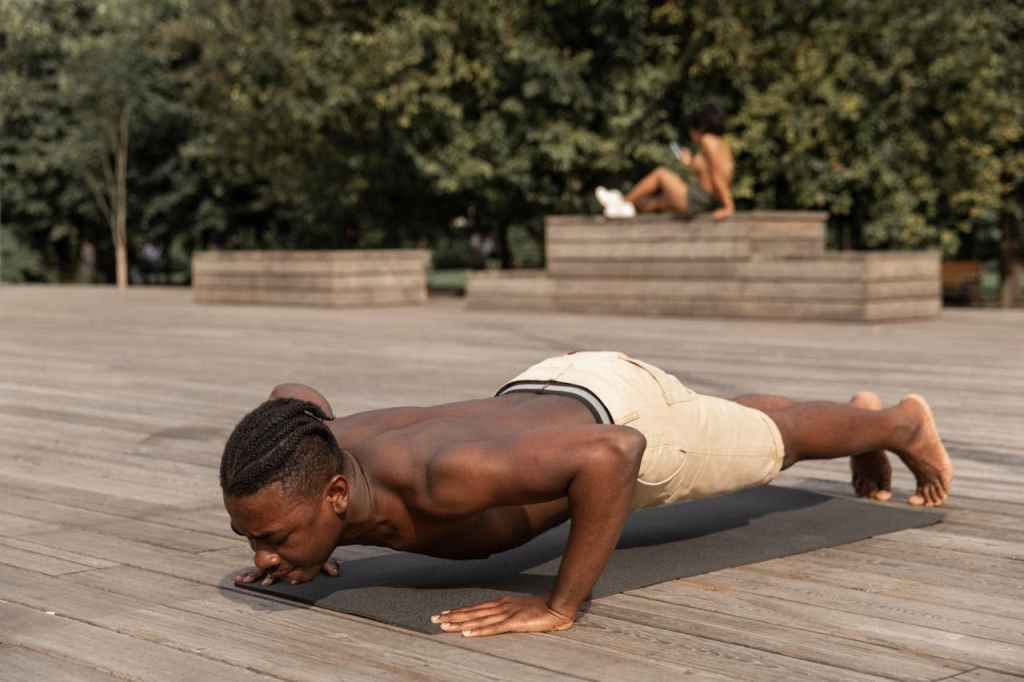
- Push-Ups (from knees or toes)
- Alternating Reverse Lunges
- Pike Push-Ups (for shoulders: get in a downward dog, lower head toward floor)
- Glute Bridges (squeeze at the top)
- Plank (hold for the entire 45 seconds)
Leveraging Your Environment
Look for fitness opportunities in your surroundings. Use a sturdy chair for step-ups, dips, and incline push-ups. A full water bottle or your carry-on bag can serve as a makeshift weight for goblet squats or lunges. Take the stairs everywhere. Go for a brisk walk or jog to explore the city—this counts as both cardio and sightseeing.
The “Fitness Snacking” Approach
If you can’t block out 30 minutes, break your movement into “snacks” throughout the day. Do 50 bodyweight squats while waiting for your colleagues. Perform 3 sets of 10 push-ups spread across the day in your hotel room. Take a 15-minute walk after every meal. These small bursts of activity add up significantly and keep your metabolism engaged.
Creating Your Travel Game Plan
Success comes from a little pre-trip planning. Research your location. Does the hotel have a gym? Are there nearby parks or walking paths? Use Google Maps to scout healthy grocery stores or restaurants near where you’re staying. Pack the right gear. Always throw in workout clothes and shoes. Resistance bands are the ultimate travel fitness tool—they weigh nothing and can create full-body tension. Schedule your movement. On the first day of your trip, look at your agenda and literally pencil in your 20-minute workout or longer walks. If you don’t schedule it, it won’t happen.
The Bottom Line: Consistency Over Perfection
Travel fitness isn’t about executing a perfect routine; it’s about demonstrating a resilient identity. You are someone who prioritizes their well-being, even when it’s inconvenient. By packing smart snacks, prioritizing protein, drinking water, and committing to short, intense bodyweight sessions, you prove to yourself that your health isn’t tied to a single location or routine.
Enjoy the local cuisine, have that special dessert, and relax—but do so from a foundation of intentional choices, not a freefall of abandon. You’ll return home energized, proud of your consistency, and ready to jump back into your regular routine without missing a beat. The world is your gym; you just have to know how to use it.
What’s your #1 tip for staying on track with fitness while traveling? Do you have a favorite hotel room workout move? Share your travel hacks in the comments!

 Fuel & Function
Leave a comment