Tired of scrambling to figure out what to eat every day? Overwhelmed by tracking macros while trying to cook daily? Meal prep is your solution—but the idea of spending your entire Sunday in the kitchen can be daunting.
Welcome to stress-free, macro-friendly meal prep. This isn’t about eating the same chicken and broccoli for seven days straight. It’s about creating a system that gives you flexibility, fits your nutrition goals, and reclaims your time during the week. Whether your goal is fat loss, muscle gain, or simply eating healthier with less decision fatigue, this step-by-step guide is for you.
Step 1: The Planning Phase (Your Blueprint for Success)
Don’t just start cooking. A little planning prevents wasted food, time, and motivation. First, calculate your daily protein, carb, and fat targets using a reputable online calculator. Next, pick your prep style. For beginners, the Component Prep method is highly recommended: cooking versatile bases like proteins, carbs, and veggies separately to mix-and-match through the week. Choose just 1-2 simple proteins, 1-2 complex carbs, and 2-3 vegetables that use similar cooking methods, like all oven-roasting. Finally, write a definitive shopping list with every ingredient from your chosen recipes to ensure you only shop once.
Step 2: The Prep Day Execution (Smart, Not Long)
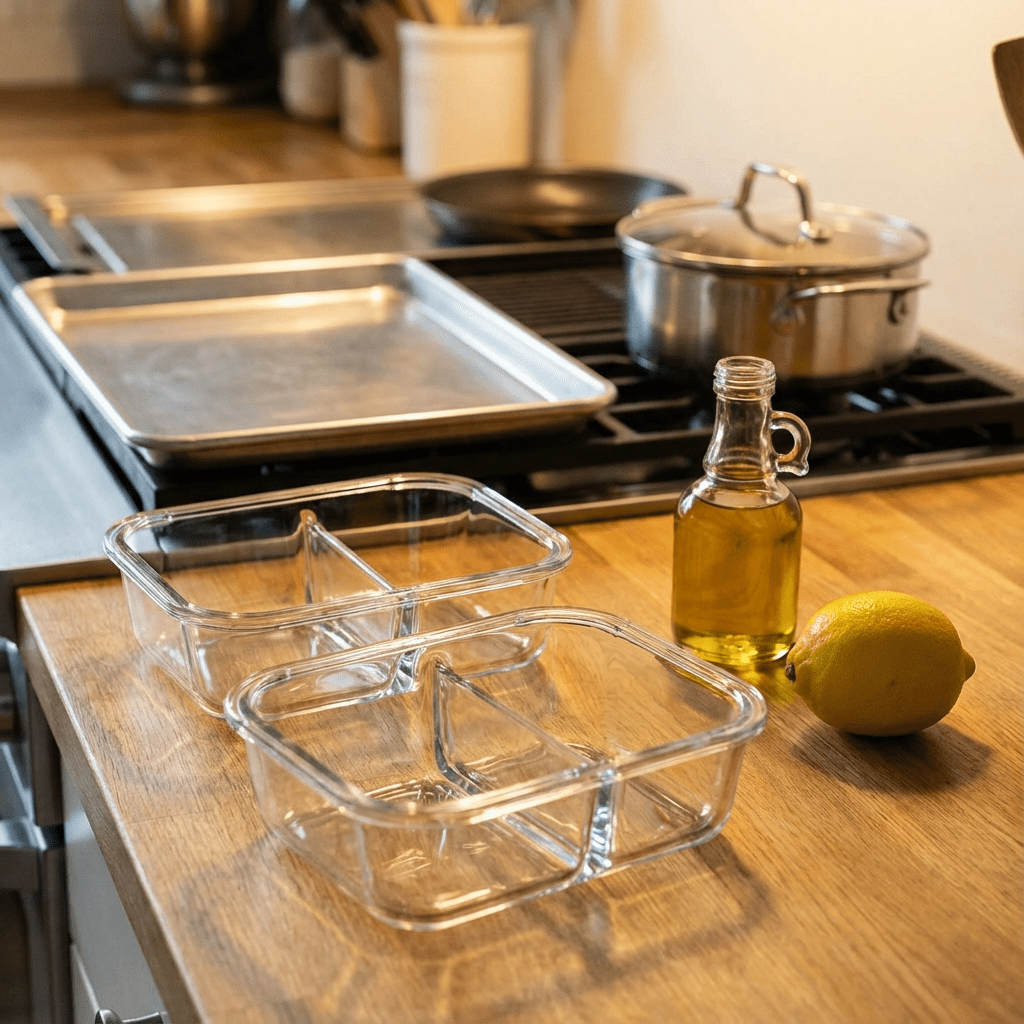
This is where the magic happens. Aim to keep your prep time to a manageable 2-3 hours. Start by gathering all your equipment: sheet pans, pots, good knives, and essential meal prep containers (clear glass or BPA-free plastic are best). Preheat your oven and begin by washing and chopping all your vegetables first, as this is typically the most time-consuming task.
Cook in a logical order to maximize efficiency. Begin with the slowest-cooking item; if using an oven, get your roasted vegetables or baked proteins in first. While the oven works, cook your main protein on the stovetop, such as ground turkey or chicken breast. Simultaneously, prepare your carbohydrate source like rice or quinoa on another burner. For ultimate efficiency, embrace the “Sheet Pan Method” by tossing chopped veggies and protein chunks with oil and seasoning on a single pan to roast together. A critical final step is to let everything cool completely before packing to avoid condensation and soggy food.
Step 3: The Assembly & Storage (For Freshness All Week)
How you pack your food is as important as how you cook it. For the flexible Component Prep method, store each food type—proteins, carbs, vegetables—in its own large container. Always keep dressings and sauces separate in small containers or jars to maintain texture. If you are prepping full meals, use a food scale to portion ingredients directly into individual meal containers according to your macro targets. To keep greens crisp, place wet ingredients like sauces or tomatoes at the bottom of the container with drier greens on top. For organization, label and date your containers if prepping for more than 3-4 days.
Store your food properly to ensure safety and freshness. Most cooked grains, roasted veggies, and proteins will keep well in the refrigerator for 3-4 days. For longer storage, the freezer is your friend; soups, stews, chili, marinated raw proteins, and cooked grains can be frozen for 1-3 months. Freeze portions flat in bags for quick and even thawing.
Step 4: Making It Macro-Friendly & Flexible
The “friendly” in macro-friendly means your prep adapts to your daily needs. Build a “Macro Buffet” with your prepped components. This allows you to easily adjust portions at mealtime: add a larger scoop of rice for more carbs or half an avocado and a drizzle of olive oil for more healthy fats. Always have “Emergency Proteins” on hand like canned tuna, pre-cooked grilled chicken strips, protein powder, or Greek yogurt to effortlessly hit your protein goals if you run out of prepped food. For accurate tracking, weigh your prepped components as you plate them. Nutrition apps like MyFitnessPal allow you to create saved “recipes” or meals for the components you use most, making daily logging quick and simple.
Sample Beginner Meal Prep Plan
A practical plan starts with selecting 1-2 proteins, such as baked lemon pepper chicken breasts or seasoned ground turkey. Choose 1-2 complex carbs like a large batch of brown rice or roasted sweet potato cubes. For vegetables, pick 2-3 options like roasted broccoli florets, sautéed bell peppers and onions, and fresh spinach for salads. Remember to have healthy fats like avocado, nuts, or olive oil ready to add at mealtime.
Here is what a sample day built from this plan could look like: For lunch, combine 150g of chicken, 100g of sweet potato, and a large handful of broccoli. For dinner, create a bowl with 100g of ground turkey, 50g of rice, peppers and onions, and a bed of spinach, topping it with 1/2 an avocado for healthy fats.
Common Beginner Mistakes to Avoid
Be mindful of common pitfalls to ensure your meal prep journey is successful. First, avoid prepping too much too soon; start by prepping just 2-3 days of lunches to build confidence. Second, prevent flavor boredom by using a variety of spices, herbs, and low-calorie sauces like salsa, mustard, or hot sauce for different containers throughout the week. Third, don’t forget to prep snacks like hard-boiled eggs, cut fruit and veggies, or portioned-out nuts to keep you on track between meals. Finally, never ignore food safety; always cool food quickly and refrigerate it within two hours of cooking.
Your First Week Shopping List
To get started, here is a simple shopping list. For proteins, grab chicken breasts (2 lbs), ground turkey (1 lb), and a dozen eggs. For carbs, pick up a bag of brown rice, three sweet potatoes, and old-fashioned oats. For vegetables, choose two heads of broccoli, three bell peppers, two onions, and a bag of spinach. From the pantry, ensure you have olive oil, your favorite spices like garlic powder and paprika, and condiments like low-sodium soy sauce or hot sauce.
Macro-friendly meal prep is a skill that builds confidence in the kitchen and provides true control over your nutrition. It transforms the daily stress of “what’s for dinner?” into a simple grab-and-go solution. Start small, be kind to yourself if a recipe doesn’t work out perfectly, and enjoy the extra time, money, and peace of mind you’ll gain.
Ready to give it a try? What’s the first meal you’re excited to prep? Share your plan or ask your prep questions in the comments below!



 Fuel & Function
Leave a comment