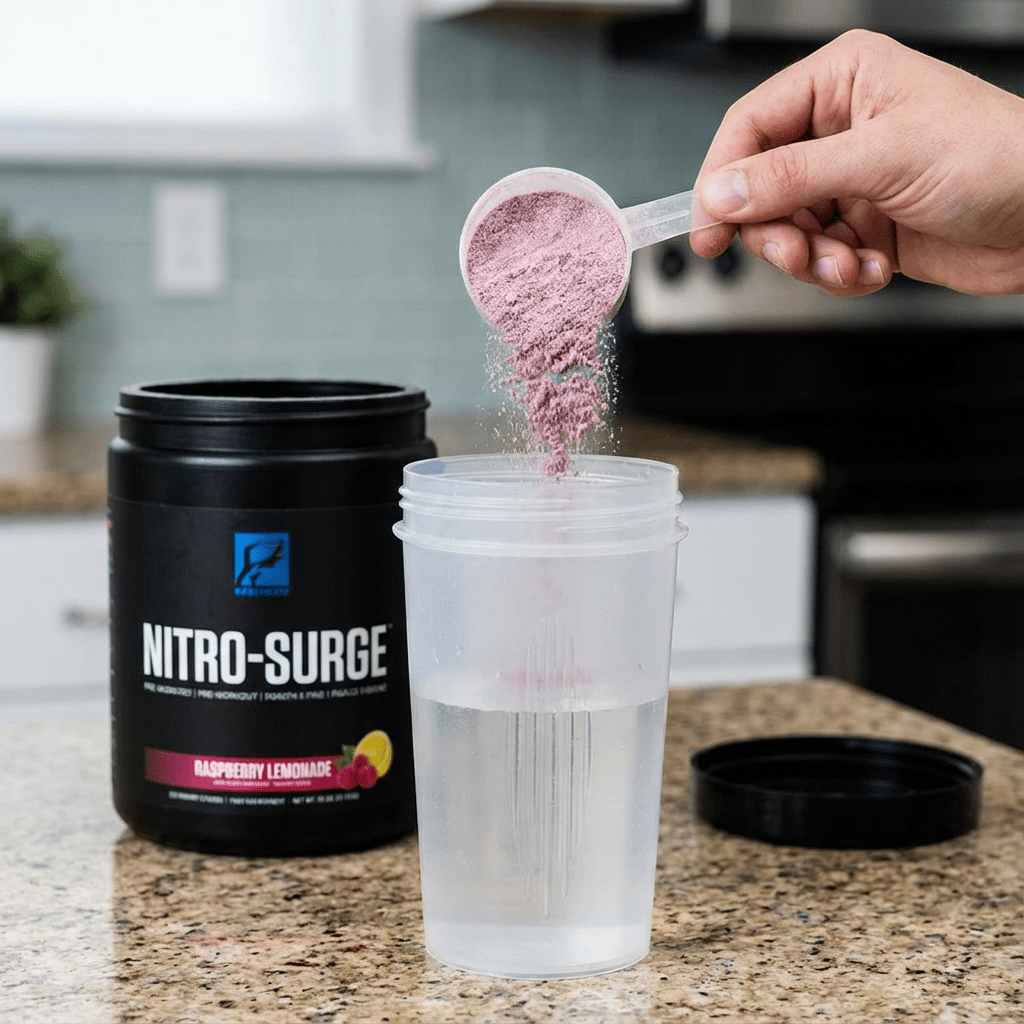
You’re dragging through the afternoon, facing a workout you know you need but don’t quite feel. The solution seems simple: grab a scoop of that brightly colored powder, mix it up, and feel the tingles and energy surge through you. Pre-workout supplements promise to turn any sluggish day into a personal record-breaking session. But are they a necessary tool for fitness, or just expensive, over-hyped caffeine in a fancy tub?
The truth about pre-workout is more nuanced. For some, it’s a valuable performance enhancer. For many others, it’s an unnecessary crutch with side effects. Let’s strip away the marketing and look at what’s actually inside, who really benefits, and how you might energize your training without the proprietary blend.
What Is Pre-Workout Supposed to Do?
At its core, a pre-workout supplement aims to enhance exercise performance through a combination of effects: increasing energy and alertness, improving blood flow to muscles (the “pump”), delaying fatigue, and sometimes enhancing focus. The goal is to help you train with greater intensity, lift heavier, or push longer, leading to better adaptations over time. It’s a pharmacological approach to optimizing the conditions inside your body before you even pick up a weight.
Decoding the Label: Ingredients That Actually Work (And What to Avoid)
Navigating a pre-workout label is an exercise in skepticism. Look past the flashy name and “explosive” marketing claims and examine the ingredient panel for evidence-based components in effective doses.
The most common and proven effective ingredients fall into three categories. For energy and focus, caffeine is the undisputed king, typically dosed between 150-300mg per serving. It directly stimulates the central nervous system, reducing perceived effort and increasing alertness. For the “pump” and endurance, look for Citrulline Malate (aim for 6-8 grams), which increases nitric oxide production and blood flow, and Beta-Alanine (3-5 grams), which buffers acid in muscles to delay that burning fatigue during high-intensity sets, often causing a harmless tingling sensation (paresthesia). For focus, some formulas include L-Theanine (often paired with caffeine for a smoother, jitter-free energy) or Alpha-GPC.
Be highly wary of proprietary blends that hide individual ingredient doses behind a combined weight. A label that lists a “2.5g Energy & Focus Blend” is essentially worthless, as you can’t know if you’re getting 10mg or 300mg of caffeine. Also, avoid formulas loaded with excessive artificial colors, sweeteners, and unnecessary stimulant blends that can cause crashes, jitters, or sleep disruption.
So, Do You Really Need It?
The necessity of a pre-workout supplement is entirely individual. It is not required for a good workout or for making fitness progress. Your baseline—sleep, nutrition, hydration, and stress levels—has a far greater impact on your energy and performance than any supplement.
A pre-workout might be a helpful tool in specific scenarios. It can provide a psychological and physiological boost for early morning or after-work training sessions when energy is naturally low. It can also be strategically beneficial for pushing through particularly intense phases of training, like a strength peaking block or high-volume week. However, it becomes a crutch if you feel you literally cannot train without it, or if you’re using it to compensate for chronic sleep deprivation or poor nutrition.
Natural & Food-Based Pre-Workout Alternatives
You can achieve many of the same energizing effects with simple, whole foods and drinks, saving money and avoiding unwanted additives. For a powerful energy and focus boost, black coffee or green tea are excellent choices. A standard cup of coffee provides 80-100mg of caffeine, which you can dose to your tolerance. To support blood flow and the “pump,” try drinking beetroot juice about 60-90 minutes before training. It’s rich in dietary nitrates, which your body converts to nitric oxide, a vasodilator. For a combination of quick energy and electrolyte support, a banana is a perfect, portable option, providing fast-digesting carbohydrates and potassium.
Consider combining these into a simple, natural pre-workout ritual: a cup of coffee or green tea, a small banana, and a large glass of water 30-60 minutes before you start.
How to Use Pre-Workout Safely & Effectively (If You Choose To)
If you decide a commercial pre-workout fits your needs, use it intelligently. Start with a half-scoop to assess your tolerance to the stimulants and other ingredients, particularly beta-alanine’s tingles. To prevent building a high tolerance and dependence, practice stimulant cycling. Avoid taking it every single day; use it only for your hardest 2-3 sessions per week, and rely on natural options for lighter days. Crucially, time your last scoop wisely. Avoid consuming it within 6-8 hours of your planned bedtime to prevent significant disruption to your sleep quality, which is the most potent recovery tool you have.
Pre-workout supplements are not magic. They are a concentration of specific ingredients, the most impactful of which is usually caffeine. Whether you “need” it depends on your personal physiology, your training demands, and how well you manage your foundational health habits.
Before investing in a tub, experiment with natural alternatives like coffee and beet juice. If you do opt for a commercial product, become a label detective—look for transparent dosing of proven ingredients and avoid proprietary blend trickery. Remember, the best pre-workout regimen is sustainable, doesn’t disrupt your sleep, and supports your long-term health, not just a single workout.
What’s your go-to source of energy before a workout? Are you a pre-workout devotee, a coffee purist, or a natural snack fan? Share your routine in the comments!



 Fuel & Function
Leave a comment