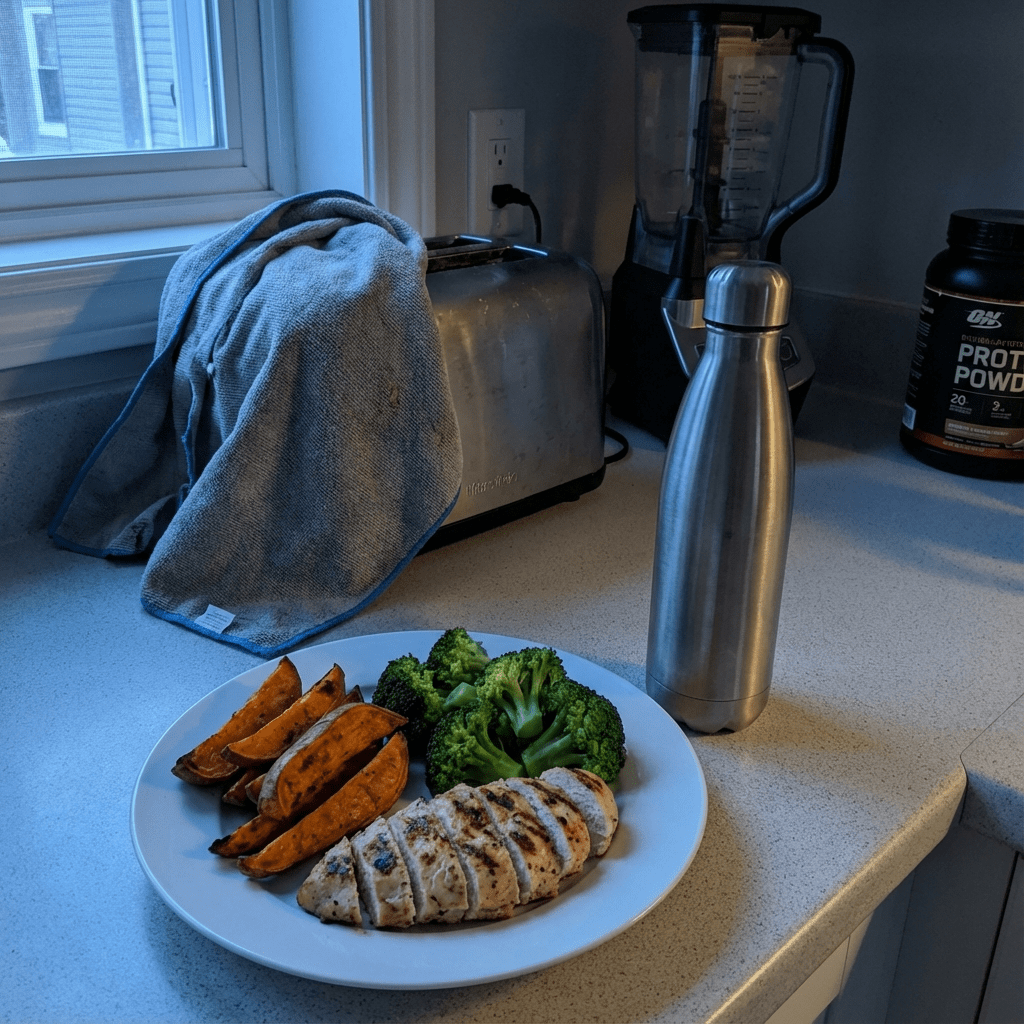
For years, carbohydrates have been painted as the villain in the weight loss story. Low-carb diets have dominated the conversation, leaving many people confused and afraid of bread, pasta, and potatoes. But what if we told you that carbohydrates aren’t just not the enemy—they could be your secret weapon for both energy and fat loss?
The key isn’t elimination—it’s strategy. By understanding when and how to consume carbohydrates, you can align your nutrition with your body’s natural rhythms and activity levels. Welcome to the world of carb timing, where food becomes fuel, and fat loss becomes more efficient.
Why Carbs Matter: Beyond the Hype
Before we dive into timing, let’s set the record straight. Carbohydrates are your body’s preferred source of energy, especially for your brain and high-intensity exercise. When you eat carbs, they’re broken down into glucose, which is either used immediately for energy or stored as glycogen in your muscles and liver.
The problem arises when glycogen stores are full, and excess glucose gets converted to fat. This is where timing becomes crucial. By eating the right carbs at the right times, you can ensure they’re used for fuel, not stored as fat.
The Science of Carb Timing: Matching Fuel to Need
The fundamental principle of carb timing is simple: consume carbohydrates when your body needs energy and can best utilize them.
The Pre-Workout Window (2-3 Hours Before Exercise)
This is when you strategically fuel your engine. Your goal is to top off your muscle glycogen stores to ensure maximum performance and endurance. Focus on complex carbohydrates that provide a slow, steady release of energy. Excellent choices include oatmeal with berries, a sweet potato, or brown rice with chicken. This approach works because you enter your workout with full energy tanks, allowing you to train harder, lift heavier, and burn more calories overall.
The Post-Workout Window (Within 60 Minutes After Exercise)
This is the most critical window for carb timing and recovery. Your goal here is to replenish depleted glycogen stores, kickstart muscle repair, and halt muscle protein breakdown. For best results, combine fast-digesting carbohydrates with a quality source of protein. A protein shake with a banana, Greek yogurt with pineapple, or white rice with salmon are all perfect choices. This strategy works because after exercise, your muscles are primed to absorb nutrients. The carbs help spike insulin, a hormone that shuttles glucose and amino acids into muscle cells for rapid recovery.
The Off-Hours (Rest Days & Non-Training Windows)
This is when you strategically moderate your intake. Your goal is to support basic bodily functions and daily activity without overfilling glycogen stores. During these periods, prioritize fiber-rich vegetables, healthy fats, and lean proteins. If you consume carbs, keep starchy portions minimal and focus on complex sources. Think large salads with protein, vegetable stir-fries, or lean meat with roasted broccoli. This method works because lower carb intake during sedentary periods teaches your body to tap into fat stores for energy, enhancing what’s known as metabolic flexibility.
Putting It Into Practice: Your Daily Blueprint
Here’s how a day of strategic carb timing might look for someone with a training session in the evening. Begin with a low-carb breakfast like a veggie omelet with avocado, where energy comes from fats and protein. For lunch, have a moderate-complex carb meal such as grilled chicken salad with quinoa and vegetables to provide sustained afternoon energy. About 2-3 hours before your workout, enjoy a small pre-workout snack like an apple with almonds. Immediately after training, consume a post-workout dinner featuring grilled salmon, a medium sweet potato, and asparagus to prioritize recovery. Finish your evening with a low-carb option like casein protein pudding.
Debunking the Top Carb Myths
Let’s clear up some common misconceptions. First, the idea that “carbs at night make you fat” is not true. Total daily calorie intake matters more than timing, though large carb portions are unnecessary if you’re sedentary at night. Second, the belief that “all carbs are created equal” is false. One hundred calories of broccoli affects your body completely differently than 100 calories of soda—quality is absolutely paramount. Finally, the claim that “you must be in ketosis to burn fat” is incorrect. A calorie deficit is what burns fat, and strategic carb timing can make maintaining that deficit easier and more energetic.
Your Action Plan: Start Timing Today
Begin by identifying your activity patterns. Map out your training days and their intensity levels. Then decide whether to front-load or back-load your carbs: if you train in the morning, make breakfast your carb-heavy meal; if you train in the evening, make dinner your recovery carb meal. Always prioritize quality—your carbs should come from whole food sources like oats, sweet potatoes, fruits, quinoa, brown rice, and vegetables about 90% of the time. Most importantly, listen to your body. This framework is a guide, not a rigid law. Notice how you feel, perform, and recover, then adjust accordingly.
Carbohydrates are a powerful metabolic tool. By shifting your mindset from restriction to strategy, you unlock their potential to fuel incredible workouts, accelerate recovery, and paradoxically, make fat loss more sustainable. Stop fighting your body’s preferred fuel source and start learning how to use it intelligently.
Ready to experiment? Try this carb-timing strategy for two weeks. Pay attention to your energy levels, workout performance, and satiety. Share your experience in the comments below—what changes did you notice when you started working with carbs instead of against them?



 Fuel & Function
Leave a comment